
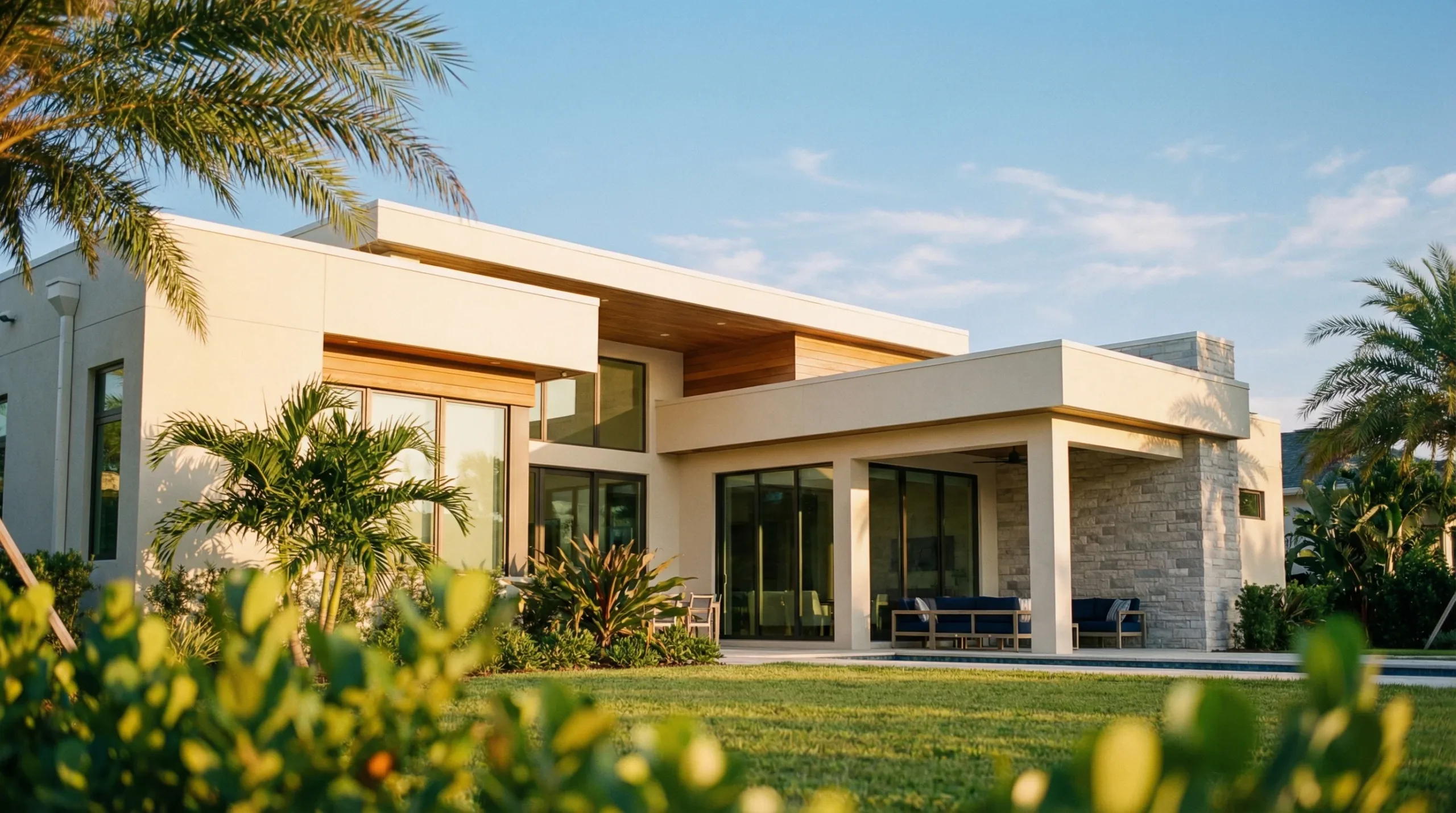
Fix and Flip Loans Orlando: What Orlando Investors Need to Know in 2026
After years of lending and investing in Florida real estate, I’ve seen how fix and flip loans Orlando investors use have become both more accessible and more competitive. SEP Capital works extensively in Orlando because many Tampa investors EXPAND to this market, and our deep Florida market expertise applies across the state.
I started as a borrower myself back in 2013, using hard money extensively before becoming a lender. That experience taught me what really matters when evaluating fix and flip loans Orlando investors should consider. The good news is financing options have improved significantly, with private lenders now offering more flexible terms and faster closes than traditional banks.
Whether you’re eyeing properties in Winter Park, Lake Nona, or Kissimmee, understanding the current lending landscape could make the difference between a profitable flip and a missed opportunity. Private lenders are filling the gap where banks fall short, offering speed and flexibility that Orlando’s competitive market DEMANDS.
Key Takeaways
- Fix and flip loans in Orlando typically offer 10-12.5% interest rates with 70-92.5% loan-to-cost ratios
- Funding happens in 7-14 days, crucial for Orlando’s competitive market conditions
- Most lenders cover 100% of rehab costs while requiring 10-20% down on purchase
- Local challenges include HOA estoppel delays and increased foreclosure activity creating opportunities
- Experience helps but isn’t required – solid deals with clear exit strategies matter most
In This Article
- Current Orlando Fix and Flip Market in 2026
- Typical Costs and Interest Rates
- Standard Loan Terms and Structure
- Qualification Requirements
- The Funding Process Timeline
- Orlando-Specific Challenges
- Choosing the Right Lender
Current Orlando Fix and Flip Market in 2026
The Orlando fix and flip scene has evolved dramatically since I started lending. We’re seeing loan amounts ranging from $25,000 to $2 million, with most deals falling in the $100,000 to $500,000 range for single-family properties.
What makes Orlando particularly attractive right now is the inventory. Foreclosure activity has increased, creating more distressed property opportunities for investors with quick access to capital.
I’ve noticed neighborhoods like Lake Nona and Winter Park commanding higher after-repair values (ARVs). But the key is moving fast. Properties that make sense often have multiple offers within days.
The fix and flip loans Orlando lenders offer typically require clear exit strategies. Most investors plan either a quick resale or a refinance into long-term rental financing. Both strategies work, but the numbers need to support your chosen path from day one.
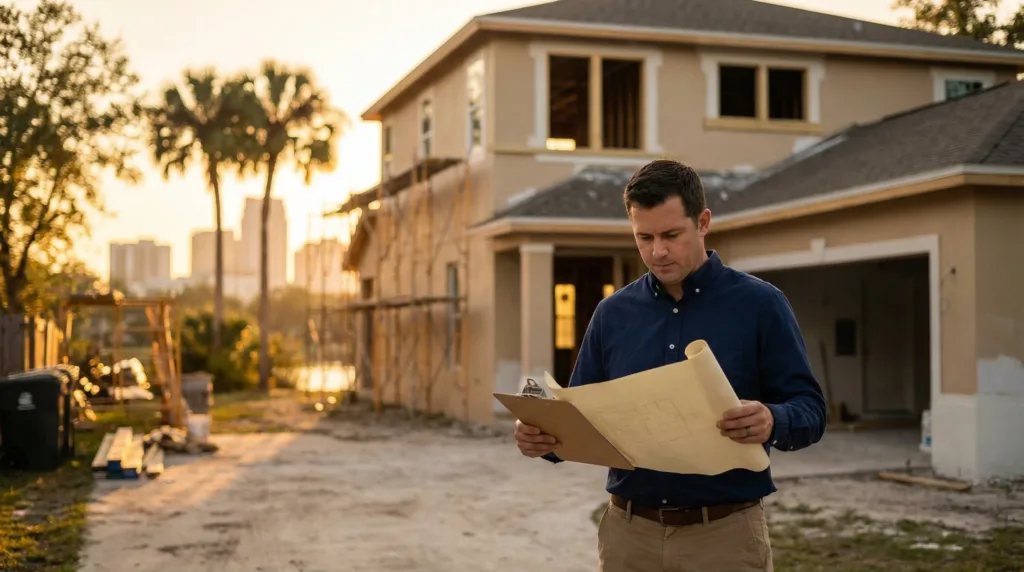
Typical Costs and Interest Rates for Orlando Fix and Flip Loans
Let me break down what you can expect to pay for fix and flip loans Orlando lenders are offering in 2026. Interest rates typically run 10-12.5%, which might sound high compared to conventional mortgages, but remember the speed and flexibility you’re getting.
Here’s what I see most often in real deals:
Interest and Origination Costs
- Interest rates: 10-12.49% annually, accrued only on drawn funds
- Origination points: Around 3% of the total loan amount
- Draw fees: Approximately $2,200 total for wire transfers and draws
- No prepayment penalties from most private lenders
I recently funded a deal where the borrower needed $234,000 total. The breakdown looked like this: $170,000 for an 85% purchase loan, plus $64,000 for rehab at 100% coverage. At 12.49% with 3 points, their upfront costs were reasonable for the speed and flexibility they got.
Actual Orlando deals show that borrowers typically contribute 10-20% down. For properties under $100,000, some lenders require a minimum $10,000 borrower contribution regardless of percentage.
Additional Fees to Budget For
Orlando has some unique costs you need to factor in. HOA estoppel fees can run $500 or more, and they often take 14+ days to process. This can delay your closing if you don’t plan ahead.
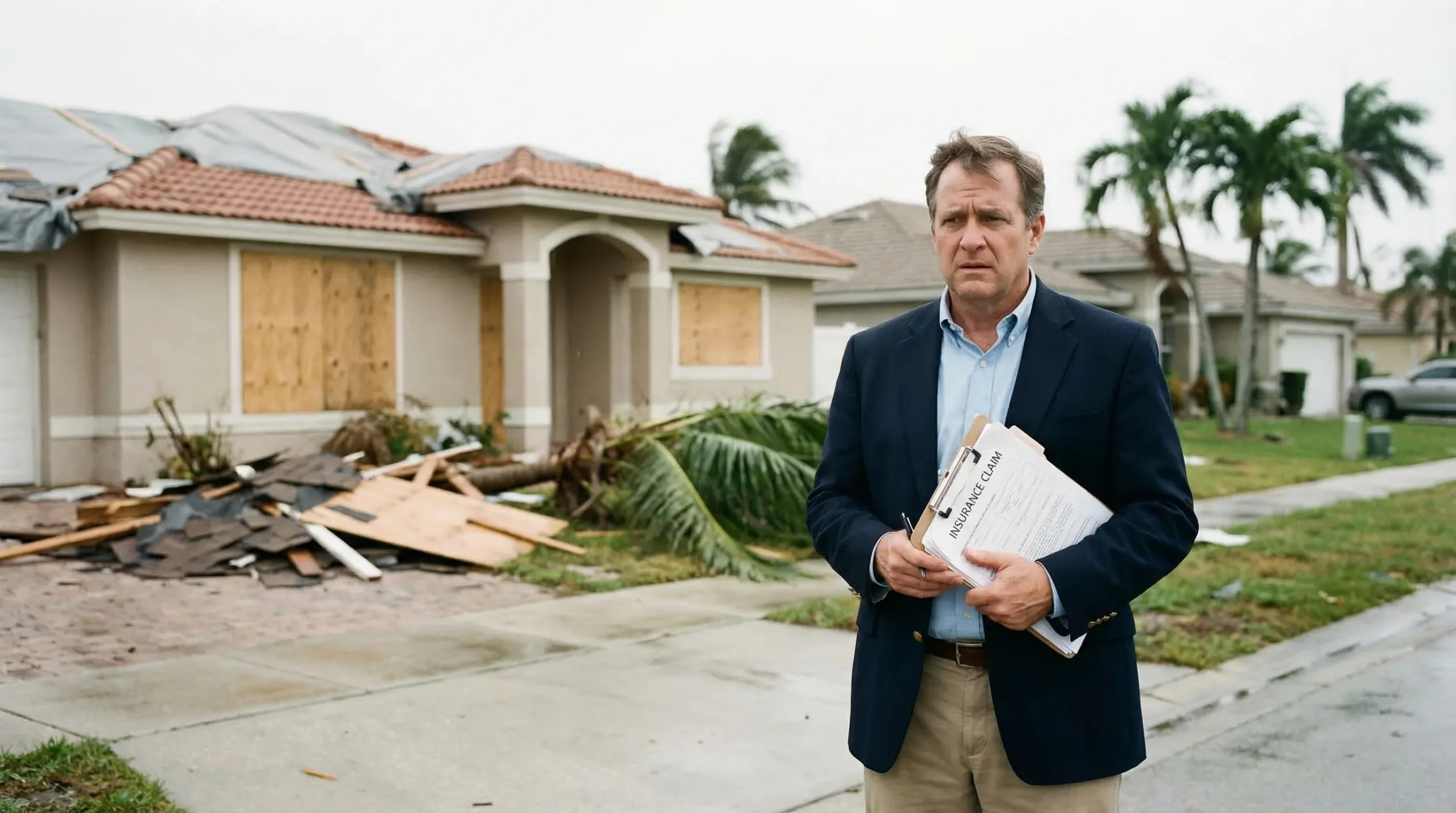
Property insurance has gotten more expensive across Florida. Budget an extra $200-400 monthly for insurance compared to what you might have paid in 2023. It’s not just the hurricane risk – it’s the entire insurance market recalibration.
Standard Loan Terms and Structure
The typical fix and flip loans Orlando structure is designed for speed and simplicity. Most loans run 6-18 months initially, with options to extend to 24 months if needed.
The typical structure includes:
Loan Duration and Payments
- Initial term: 6-18 months standard
- Extension options: Up to 24 months total
- Payment structure: Interest-only monthly payments
- Principal: Due at loan maturity or property sale
The interest-only structure is crucial for cash flow. During my borrowing days, this feature kept my carrying costs manageable while properties were under construction. You’re not fighting principal payments while also funding rehab work.
Loan-to-Cost and ARV Ratios
Most lenders I work with offer 70-92.5% loan-to-cost (LTC) ratios. This includes both purchase price and rehab budget. For the rehab portion specifically, many lenders cover 100% of documented construction costs.
Current Florida lenders typically limit total loan amount to 75-90% of the projected after-repair value. This ensures adequate equity buffer for both borrower and lender protection.
I’ve found that experienced investors might qualify for higher LTC ratios – sometimes up to 90% on the purchase portion. But first-time flippers usually start around 80-85% LTC, which still provides good leverage.
Draw Process for Rehab Funds
Rehab funding typically releases in draws as work progresses. Most lenders require inspection before releasing funds for each phase. The process is usually: foundation/structural, rough plumbing/electrical, drywall/flooring, and final completion.
This protects everyone involved. As a lender, I want to see progress before releasing more capital. As a former borrower, I appreciated knowing the money would be available when contractors needed payment.
Qualification Requirements
Getting approved for fix and flip loans Orlando lenders offer focuses more on the deal than your W-2 income. That’s the fundamental difference between private lending and traditional bank financing.
Credit and Experience Requirements
Good credit helps – many lenders prefer scores around 720+ for their best terms. But I’ve approved deals for borrowers with lower scores when the property and plan made sense.
Experience isn’t always required, but it helps with leverage. Some Orlando lenders work with first-time flippers, especially those with solid renovation plans and realistic budgets.
What matters most is demonstrating you understand the project scope and have realistic timelines. I’ve declined experienced investors with unrealistic budgets and approved newcomers with thorough, conservative plans.
Required Documentation
Required documentation includes:
- Loan application with personal and business information
- Financial statements: Recent bank statements and tax returns
- Purchase contract or property details
- Detailed rehab budget with contractor estimates
- ARV appraisal or broker price opinion (BPO)
- Clear exit strategy documentation
The rehab budget needs to be detailed and realistic. I review every line item because unrealistic construction costs kill deals. Most Florida lenders want contractor estimates, not rough guesses.
Property Requirements
Eligible properties are typically distressed residential properties – single-family homes, townhomes, and small multifamily (1-4 units). The property needs to show clear value-add potential through renovation.
Location matters significantly. Properties in established Orlando neighborhoods like Winter Park or emerging areas like Lake Nona typically qualify easier than rural properties without comparable sales data.
The Funding Process Timeline
Speed is why investors choose fix and flip loans Orlando private lenders over traditional banks. While banks might take 45-60 days, private lenders typically fund in 7-14 days.
Application to Approval
The initial application review happens within 24-48 hours for most private lenders. We’re looking at the deal structure, ARV potential, and borrower capacity to execute the plan.
Property evaluation comes next. This might involve a drive-by appraisal, desktop valuation using comparable sales, or full third-party appraisal depending on loan amount and property complexity.
Most decisions happen within 3-5 business days of receiving complete documentation. The key word is COMPLETE – missing documents or unrealistic budgets slow everything down.
Closing and Funding
Once approved, closing typically happens in 5-10 days. Purchase funds wire at closing, while rehab funds set up for draws as work progresses.
Orlando-based lenders understand local title company procedures and can often expedite closings when deals require quick action.
I always recommend having your contractor ready to start immediately after closing. The faster you complete renovations, the less interest you pay and the sooner you can execute your exit strategy.
Managing the Rehab Phase
Draw requests need supporting documentation – typically contractor invoices, photos of completed work, and lender inspection approval. Most lenders process draws within 2-3 business days once approved.
Communication is KEY during this phase. Keep your lender updated on progress and any timeline changes. Most problems arise from poor communication, not actual construction issues.
Orlando-Specific Challenges and Opportunities
Orlando’s real estate market has unique characteristics that affect fix and flip loans Orlando investors need to understand. Having worked in this market for years, I’ve seen patterns that can make or break deals.
HOA Complications
Many Orlando properties fall under homeowner associations, and estoppel letters can delay closings significantly. Budget 14+ days for HOA responses and fees of $500 or more.
Some HOAs have renovation restrictions that could impact your timeline. Always check HOA documents before finalizing your offer. I’ve seen deals fall apart because investors didn’t account for architectural approval requirements.
Insurance Market Reality
Florida’s insurance crisis affects holding costs significantly. Property insurance might run $300-500 monthly on a typical flip property, much higher than in previous years.
Current market conditions mean budgeting conservative holding costs is more important than ever. Plan for longer marketing periods and higher carrying costs than you might expect.
Inventory Opportunities
The flip side of market challenges is increased inventory. Foreclosure activity has created more opportunities for investors with ready access to capital.
Properties that need work are staying on the market longer, giving serious investors more negotiating power. But you need financing lined up to move quickly when good deals appear.
Seasonal Market Patterns
Orlando has distinct seasonal patterns. Tourist season (winter months) typically brings higher sales activity and prices. Summer can be slower, but it’s often the best time to buy properties for renovation.
Plan your renovation timeline around these patterns. Finishing properties in October-December typically yields better sale prices than completing them in June-August.
Choosing the Right Lender for Your Orlando Fix and Flip
Not all fix and flip loans Orlando lenders are created equal. After being on both sides of these transactions, I know what separates good lenders from mediocre ones.
Local Market Knowledge
Choose lenders who understand Orlando’s neighborhoods and market dynamics. Local lenders often provide faster service and better market insights than national companies.
I prioritize working with borrowers whose projects I understand. If your lender doesn’t know the difference between Lake Nona and Ocoee market conditions, that’s a red flag.
Speed and Reliability
Funding speed matters, but reliability matters more. I’d rather work with a lender who consistently closes in 12 days than one who promises 7 days but often runs late.
Ask about their current pipeline and average closing times. Good lenders will give you realistic timelines and stick to them.
Draw Process Efficiency
How quickly does the lender process rehab draws? Slow draw processing can kill your contractor relationships and extend project timelines unnecessarily.
The best lenders have streamlined draw processes with online portals and quick turnaround times. This matters more than you might think during active renovation phases.
Partnership Approach
Look for lenders who act as partners rather than just capital providers. The best Florida lenders help borrowers succeed rather than just processing transactions.
I review MLS comps with borrowers and sometimes challenge rehab budgets that seem unrealistic. That might cost me a loan, but it saves the borrower from a bad deal.
“I couldn’t in good conscience let somebody get taken advantage of. The best deals are the ones where everyone wins – borrower, lender, and end buyer.”
Terms and Flexibility
Compare not just interest rates but entire deal structures. Some lenders offer better terms but charge higher fees. Others provide more flexibility on extensions or early payoff.
Consider the total cost of capital, not just the stated interest rate. A 10.5% loan with 2 points might cost more than an 11.5% loan with no points, depending on your timeline.
Getting Started With Your Orlando Fix and Flip Loan
The Orlando fix and flip market offers significant opportunities for investors who understand current financing options. Fix and flip loans Orlando private lenders offer provide the speed and flexibility needed to compete effectively.
Remember these key factors: have realistic budgets, understand local market conditions, choose reliable lenders, and maintain conservative holding cost projections. The insurance and HOA challenges are manageable with proper planning.
After managing nearly $20 million in loans with minimal defaults, I’ve learned that successful fix and flip projects come down to thorough preparation and realistic expectations. The financing is available – it’s about structuring deals that make sense for everyone involved.
If you’re ready to explore fix and flip financing options for your next Orlando project, I encourage you to apply for a no-cost, no-obligation loan quote. Having the right financing partner can make the difference between a profitable flip and a missed opportunity in Orlando’s competitive market. Many successful investors I work with started with their first Orlando deal and built relationships that lasted for years.
For more insights on Florida real estate investing strategies, explore our real estate investment blog where I share market analysis and lending insights from years of experience in Florida markets. I regularly cover market trends, deal analysis techniques, and financing strategies that can help you succeed in Florida’s competitive real estate landscape.



Stay In Touch